A plan by the U.S. Environmental Protection Agency could make it harder for the public to learn about and comment on proposed artificial intelligence data centers that have sparked a backlash in communities across the U.S. and changed the landscape of the midterm elections.
The EPA proposal would eliminate federal requirements that states notify the public and seek input before issuing air pollution permits to data centers and other industrial facilities. States can still provide opportunities for public comment, but EPA will no longer mandate it as a condition of states granting permits.
Critics say the move could prevent local residents from learning about the proposed data center or making their voices heard before the project is approved and construction begins. The move has been met with widespread opposition as tech giants build hundreds of massive server warehouses to power artificial intelligence and cloud computing.
“By eliminating long-standing federal requirements for public notices, the Trump administration continues its efforts to betray EPA’s fundamental principles of transparency,” said Mike Kolber, former deputy director of the EPA’s Office of Air Quality.
If finalized, the plan could create “an uneven playing field, where citizens of one state are completely in the dark about new data centers and heavy industry emissions in their own backyards, while neighboring states maintain oversight,” he said.
Kolber and other critics say that under the EPA plan, states with little or no requirements for public input could speed up permitting of data centers, power plants and other polluters without consulting the public or even notifying the communities where the facilities are located.
Advocates say communities should have a chance to get involved
“Data centers and other industrial sources should not receive air pollution permits in secret,” said Kerry Powell, senior staff attorney at the Southern Environmental Law Center, an advocacy group that leads a coalition of nearly 200 environmental, health and community groups that submitted comments to the EPA opposing the plan. “The community should have the opportunity to engage” before potentially harmful projects are approved.
An EPA spokesman said this was a false statement.
“In our proposal, we said states can choose how they want to conduct the permitting process for secondary sources of air pollution,” said spokesperson Carolyn Holran.
The EPA’s proposal does not specifically name data centers, she said, noting that the program would also apply to laundromats, auto repair shops and even landfills and steel plants, which are considered “minor” sources of pollution under the federal Clean Air Act.
The proposal does not require states to make specific changes to their plans, nor does it alter federal emissions standards or weaken environmental protections, Holland said. “Instead, the proposal simply aligns state plans with the language of the Clean Air Act to ensure states are ahead of the curve on their plans.”
EPA Administrator Lee Zeldin has made U.S. leadership in artificial intelligence a top priority for the agency, saying in a statement that the plan is designed to “cut unnecessary and cumbersome red tape, free up American energy and advance cooperative federalism with states.” The EPA is expected to finalize the rule next year.
President Donald Trump continues to support data centers despite criticism from politicians on both sides of the aisle and attempts by many communities to block them. Trump said on social media this week that American communities without data centers would “end up being left behind and poor.”
Trump says data centers critical in AI race with China
Trump acknowledged that data centers need “a little public relations help” and urged tech companies to generate their own electricity to protect consumers from higher utility bills. The Republican president says data centers are critical to winning the artificial intelligence race with China.
Environmental groups and other critics say the EPA proposal ignores the reality that many states, particularly in the South and Midwest, do not require the public notices or hearings required by the federal agency. They say the federal program will leave many communities in the dark before data centers appear in their backyards.
“It’s cruel that Trump’s EPA is silencing frontline communities that bear the brunt of unhealthy air,” said Brandon Jones-Cobb, a senior staff attorney at the Center for Biological Diversity, another environmental group.
He said the EPA “has turned its back on science, reduced enforcement against industrial polluters and rolled back life-saving air pollution measures.” “Now it wants to involve the public in decisions to build or expand facilities that expose communities to dangerous air pollution, including data centers.”
Powell, whose organization focuses on six Southern states from Virginia to Alabama, said many states “do nothing more than what federal law requires” when it comes to disclosing land-use projects and other environmental issues.
“We rely on minimum federal requirements to ensure that we have environmental protection and a voice,” she said in an interview. She called the regulation of data centers a critical issue in a region where energy-consuming giants proliferate. Virginia and Georgia both have among the highest concentrations of existing and proposed data centers.
Americans worry about data centers causing pollution, job losses
About 4 in 10 U.S. adults said they were “extremely” or “very” worried about the impact of artificial intelligence on the environment, according to a poll last year by The Associated Press, NORC Center for Public Affairs Research and the University of Chicago’s Energy Policy Institute. The poll found that Americans are more likely to believe that artificial intelligence will do more harm than good to the environment, the economy and society as a whole over the next decade.
In addition to powering artificial intelligence and cloud computing, data centers are often a source of nitrogen oxides (which contribute to the formation of ozone) as well as carbon monoxide and other air pollutants. Local communities have also expressed concerns about excessive water use and noise from the data centre.
Many Americans worry that artificial intelligence could widen economic disparities and lead to widespread unemployment.
Data center advocates stress that local taxes paid by data centers can help fund public schools and ease the financial burden on homeowners.
Jane Williams, executive director of California Communities Against Drugs, said that even if the data center is ultimately approved, “every community should be able to actively participate in government decisions that could pollute our air.”
Rolling back the EPA rule “casts a dark cloud of soot and toxic chemicals over communities’ rights to know what polluting facilities are planned for their neighborhoods,” she said.
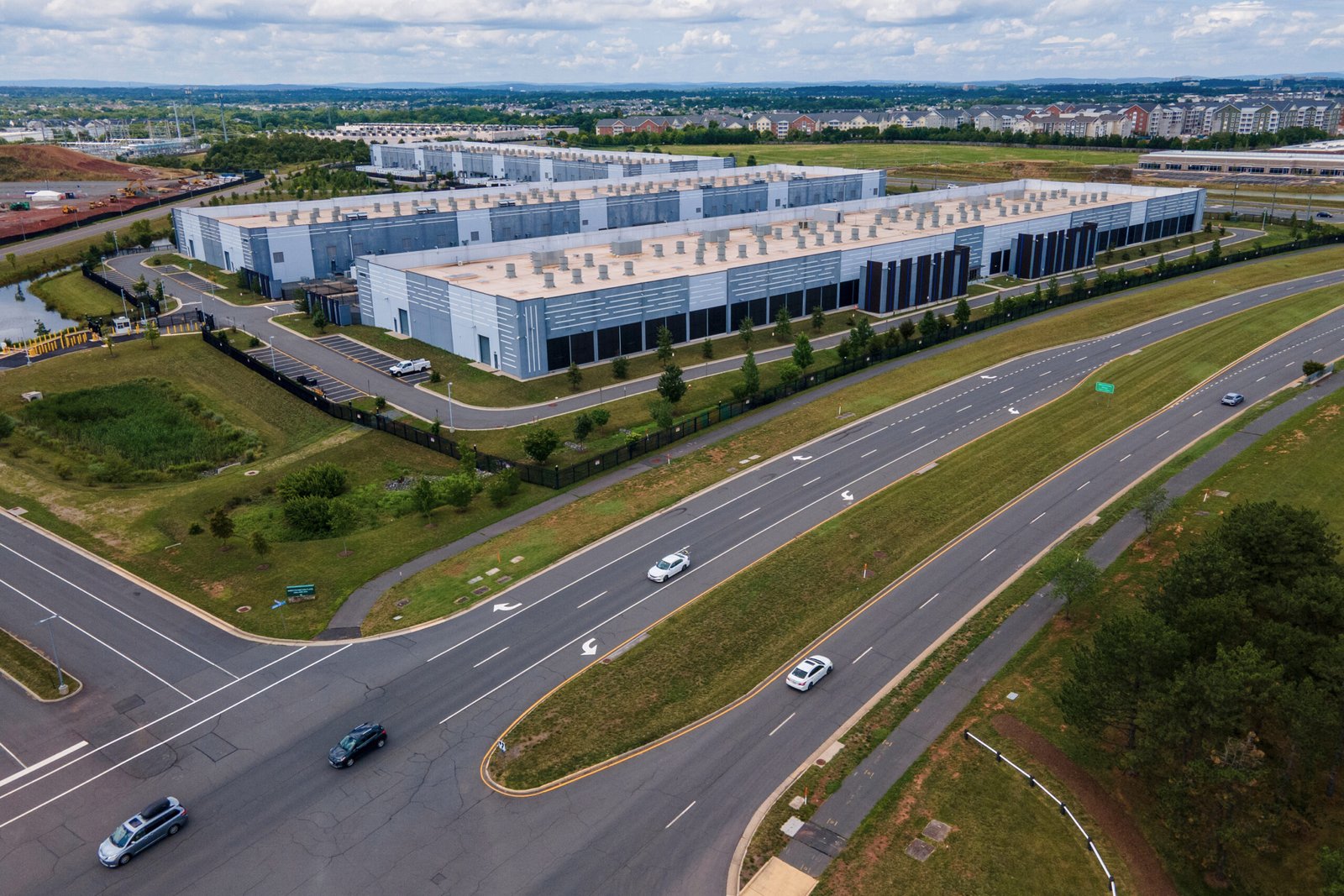
photo: Data center in Ashburn, Virginia (AP Photo/Ted Shaffrey, File)
Copyright 2026 The Associated Press. all rights reserved. This material may not be published, broadcast, rewritten or redistributed.
theme
pollute