Shipowners and traders are wary of a deal that could reopen the Strait of Hormuz within days, with many saying they would wait for more details to assess whether safe transit is possible after months of failure.
The waterway, a vital conduit for global oil and gas, has been at the heart of the conflict from the beginning, and the urgent need to restore traffic has been a key theme in peace discussions. Iran’s control of the strait, coupled with the U.S. blockade, has caused unprecedented disruption to global energy trade, nearly cutting off some of the world’s largest producers and even forcing major players to resort to “dark” transit.
Even so, the interim solution announced by the United States and Iran – and President Donald Trump’s announcement that the strait will reopen after the deal is signed on Friday – has the industry questioning what that will mean in practice.
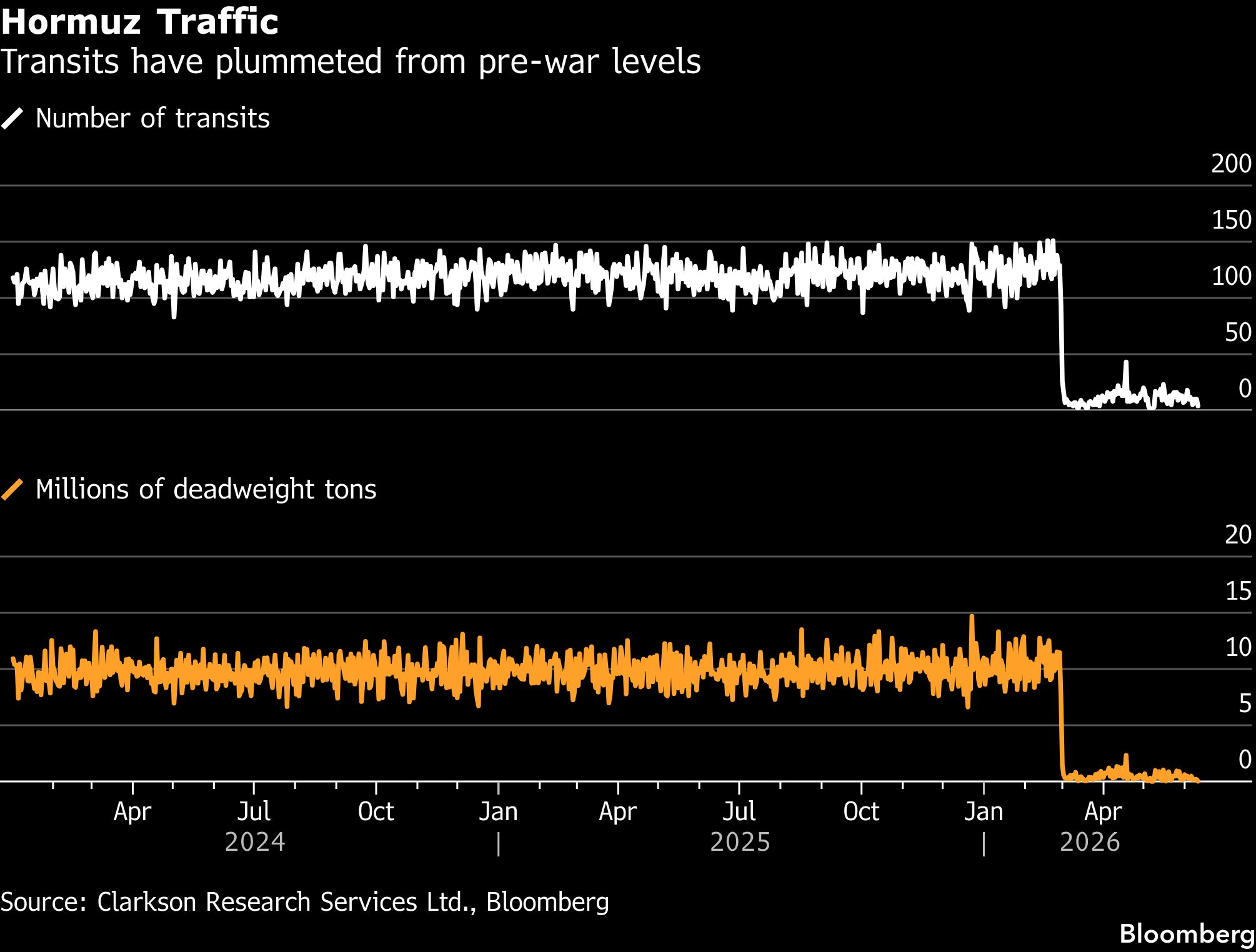
With limited information so far, there has been little activity in the strait since the news broke early Monday morning, except for an LNG tanker, the Disha, testing the waters as it sails toward the Strait of Hormuz.
Kepler said that nearly 600 ships are still stranded in the Persian Gulf and preparing to leave, while hundreds of ships are also waiting empty on the other side. While this should theoretically free up millions of barrels of oil, there are still practical obstacles, including such mundane issues as the need to clear barnacles from the hull and the competition to actually get through the narrow corridor.
The exact number of vessels observed may change as more vessels with turned off transponders are added to the tally.
Security also remains an unresolved issue as purported deals have ended over the past few months with Iranian forces firing on or seizing ships. In addition, there is uncertainty about mines in the channel, so routing and insurance are crucial.
Brett Erickson, managing principal at Obsidian Risk Advisors, said safety is top of mind for any shipowner trying to understand the situation on site.
“The maritime industry understands this. Captains understand this. Crews understand this,” he said. “They know that one miscalculation, one strike or one political decision can introduce new friction into the situation and once again put their lives at risk.”
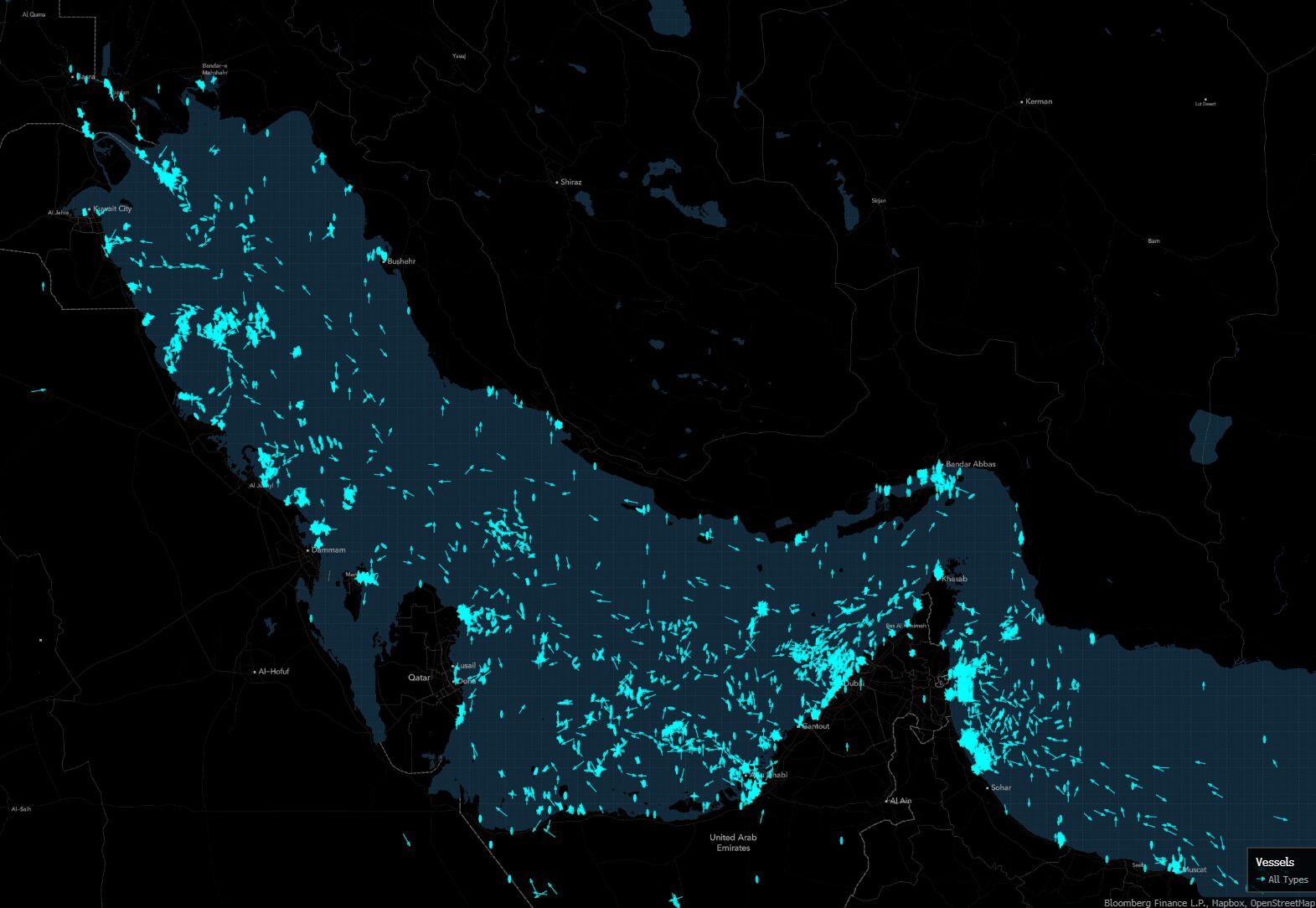
Some oil producers gradually found workarounds to let tankers pass, sometimes with U.S. support, but transit volumes remained at a fraction of pre-war levels, when an average of 135 tankers passed through each day.
Read more: Oil tankers go dark, smuggling more barrels of oil through Strait of Hormuz
Fully loaded ships may be ready to depart first, while empty ships already anchored in the bay may start loading in the coming days. There are currently more than 300 empty ships wait In the Gulf of Oman, many of them could enter the Persian Gulf via Hormuz once traffic is restored.
Data from data intelligence firm Kpler shows that most of the ships currently stranded in the Persian Gulf are oil tankers, reflecting the fact that the high-value oil cargoes carried by tankers have become a focus during the war. Some 98 crude oil tankers remain trapped inside, while shippers are lifting 88 vessels of dirty petroleum products.
Muyu Xu, senior crude oil analyst at Kpler, said shipowners with greater risk tolerance will be the first to act.
“Once Iran opens the door, we may see an outpouring of ships,” Xu said. “Although it remains to be seen whether Tehran will take any control measures.”
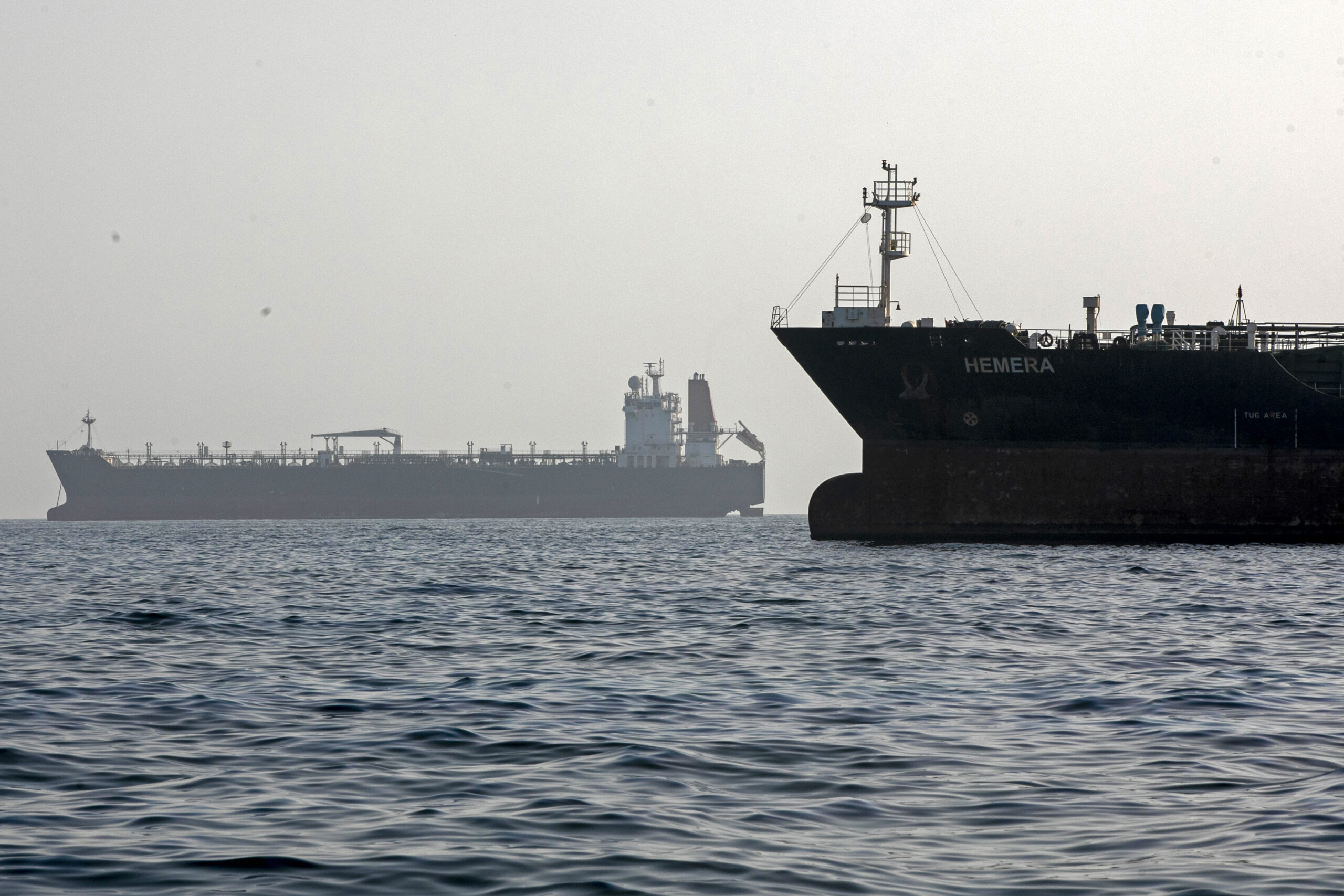
Photo: Photo by Majid Saeedi/Getty Images
Copyright 2026 Bloomberg.
The most important insurance news, in your inbox every weekday.
Get the insurance industry’s trusted newsletter