The Atlantic Ocean has been fairly calm so far this season, but a system east of Bermuda could soon develop into a tropical storm, the National Hurricane Center said Thursday.
Swiss Re said in a report released this week that if the storm develops into a Category 5 hurricane and hits densely populated cities such as Miami or Tampa Bay, insured losses could reach $300 billion, exceeding any previous insured loss event.
The Zurich-based reinsurer noted that one of Florida’s most devastating storms occurred a century ago in 1926 and was known as the “Great Miami Hurricane.” Today, a Category 4 storm of similar intensity and size would cause approximately $200 billion in insured losses.
By comparison, Category 4 Hurricane Ian, which hit western Florida in 2022, caused about $63 billion in insured losses, Karen Clark & Co. and other firms have calculated.
Balz Grollimund, head of catastrophe risk at Swiss Re, said a hundred years after the Miami hurricane, “The question is not how powerful the next major hurricane will be, but what will happen when it reaches the shore.” Report This week. “The lesson extends far beyond Florida: As the population and property values of areas affected by natural disasters increase, so does the potential for large insured losses.”
Swiss Re estimates that similar storms will cause nearly $100 billion in insured losses 34 years after Hurricane Andrew made landfall near Miami and changed the state’s building codes and construction practices. Andrew caused insured losses estimated at $25 billion (in today’s dollars).
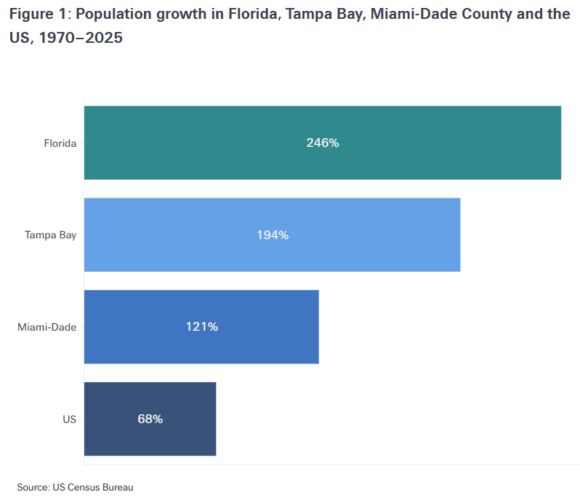
The estimated increase in damage costs is due not only to decades of inflation, but also to Florida’s population explosion and widespread high-end real estate development.
“A century of population and real estate growth has changed the potential impact of a hurricane hitting Miami-Dade County,” the Swiss Re report states. “When the Great Miami Hurricane arrived in 1926, just over 100,000 residents lived there, while today Miami-Dade County has approximately 2.8 million residents.”
The reinsurer explained that more than 2 million homes in the Miami metropolitan area, with total reconstruction costs exceeding $600 billion, are currently at moderate or higher risk of hurricane damage.
But the company noted that Florida property insurance companies may also be better prepared, at least in some ways, for the massive storms that could hit major cities today. The report says traditional and alternative reinsurance capabilities can be more effective when supported by catastrophic modeling, rigorous accumulation management and effective mitigation measures.
“Growths in traditional and alternative reinsurance capital may help keep pace with rising natural catastrophe risks. U.S. wind power is the dominant risk in the $60 billion cat bond market, and tail risk capacity in the Florida reinsurance and retrocession markets relies heavily on additional alternative capacity,” the report states.
As risk exposures accumulate, maintaining adequate risk transfer capabilities must go hand in hand with robust modeling, rigorous accumulation management and effective mitigation measures.
Stricter building codes and wind-resistant structures can help reduce hurricane losses. Updated standards helped new Florida homes withstand Hurricane Ian, while replacement storm roofs further reduced vulnerability, the Swiss Re authors wrote. The author is
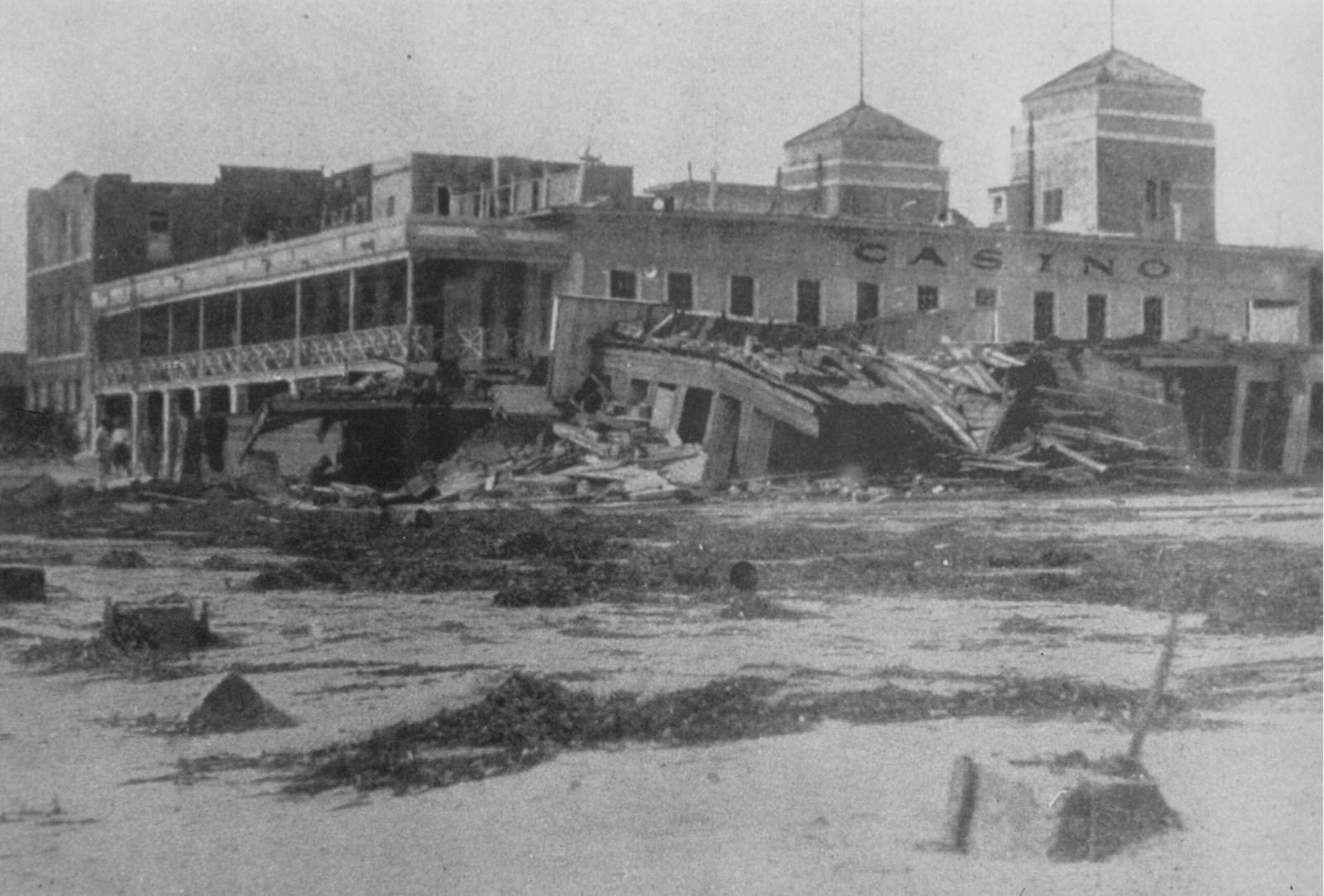
Above: The ruins of a Miami casino after a 1926 hurricane. (National Weather Service)
theme
CatastropheNatural DisasterProfit LossStormHurricane
interested in disaster?
Get automated alerts on this topic.