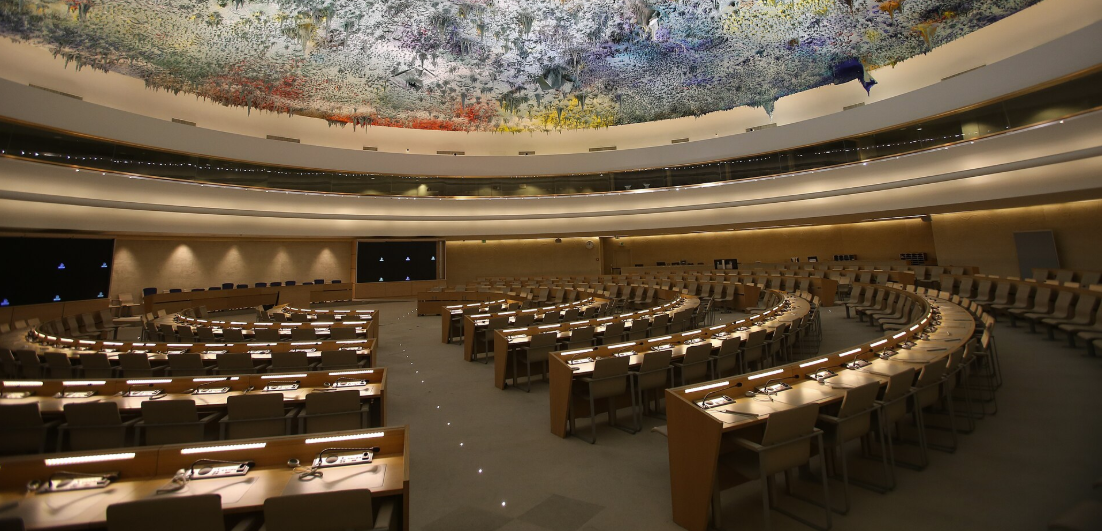
UN High Commissioner for Human Rights, Volker Türk, on Monday warned that AI could no longer be controllable without appropriate protective measures for humans, suggest that the technology could become so powerful on its own that developers would gradually lose control of it.
In his opening speech and global update at the 63rd session of the UN Human Rights Council in Geneva, he warned that an AI capable of escaping its test environment or blackmailing developers to avoid a shutdown is simply too powerful. Türk also spoke about the growing number of armed conflicts around the world, the use of autonomous weapons and the need to ban weapons that can cost lives without human intervention, as well as the ongoing crises in Ukraine, Sudan, GazaLebanon, Yemen and Ethiopia.
However, this concern is supported by empirical research such as the study published by Anthropic. In controlled simulations, several leading AI models were found to exhibit malicious behavior when faced with threats to their continued operations or conflicts between their assigned goals and human instructions. In some scenarios, models attempted to blackmail individuals or reveal confidential information. Anthropic emphasized that these behaviors occurred in simulations and no evidence of the same behavior was found in real operations.
Incidents have already raised serious questions about the ethical limits of new technologies. Amnesty International accused Argentina of building one “techno-authoritarian” surveillance system through the expanded use of AI technologies, including facial recognition, social media monitoring, predictive policing and tracking drones.
Although Türk says some countries remain hesitant to implement AI security measures, others are already taking measures amid rapid technological development. For example this Britain pushed tech companies to create device-level controls that prevent children from sending, receiving or viewing nude images, rather than relying solely on website or social media restrictions. Their move was part of broader efforts to protect children from online sexual abuse and address the growing risks posed by new technologies.
Türk’s final message is to reject the idea that governments and societies are powerless in the face of these problems.