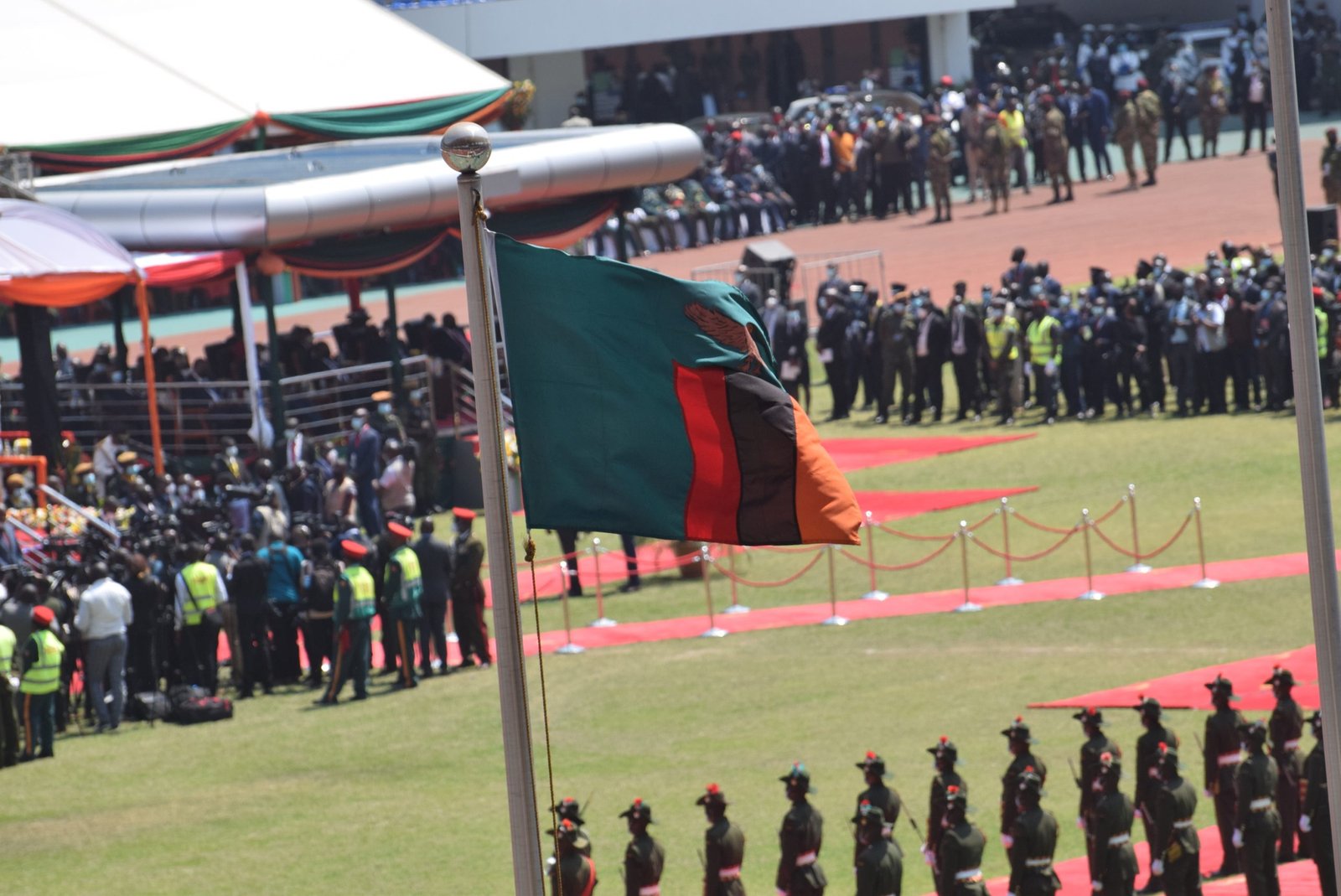
Amnesty International on Friday accused Zambian authorities are using administrative powers to silence government critics after confiscating the passports of six opposition figures, academics and commentators on national security grounds.
The cancellations immediately invalidated travel and identification documents, while the government has not publicly outlined the specific security allegations against each affected person.
Government Announcement in the Official Journal No. 1421 of 2026 canceled passports of former ambassador Emmanuel Mwamba, academic Sishuwa Sishuwa, former lawmakers Binwell Mpundu and Emmanuel Jay Banda, former presidential adviser Kaizer Zulu and blogger Lillian Mutambo. As a result, the documents were no longer valid for travel or identification and had to be handed in immediately. The government has publicly justified the move on national security grounds, but has not elaborated on the specific security concerns behind the cancellations.
The dispute comes amid broader concerns about restrictions on political opposition in Zambia. Amnesty documented arrests and intimidation of opposition members, journalists and activists in connection with the 2026 elections, including the detention of opposition politician George Chisanga and the fatal shooting of former minister Mutotwe Kafwaya during a security operation in August.
Zambia’s Passport Law allows cancellation for certain reasons, including circumstances that could justify denial of a passport, loss of citizenship, fraud, certain criminal acts and death. Section 8 In addition, the Chief Passport Officer must inform an affected person of the reasons for the cancellation within 14 days. The constitution protects freedom of movement separately Article 22including the right to leave and return to Zambia, although restrictions may be imposed for purposes such as defence, public security and public order where reasonably justified in a democratic society.
The Zambian courts have previously had limited discretion over passports. In Women against Attorney GeneralIn 1991, the Supreme Court ruled that a citizen’s constitutional right to travel includes a right to a passport, subject to lawful restrictions, and ordered the return or replacement of a passport if the government could not provide a sufficient legal basis for revoking the passport. Recently the Supreme Court ruled Andrew Kamanga v Attorney General that the confiscation of a passport and the requirement for an official travel authorization unlawfully restricted freedom of movement.
Amnesty also argued that the cancellations constituted a violation Article 12 the International Covenant on Civil and Political Rights (ICCPR), which protects the right to leave any country, subject to limited legal restrictions. The organization called on Zambia to reverse the cancellations, restore passports and provide relief to those affected.
Those affected can now challenge the measures in the Zambian courts. There, authorities could be asked to demonstrate both a legal basis for the repeals and whether the restrictions meet the constitutional requirements for national security restrictions.