Germany’s power grid was hit by two attacks in one day on Tuesday, with incidents on either side of the country knocking out coal-fired power plants and authorities investigating possible terrorism or extremist motives.
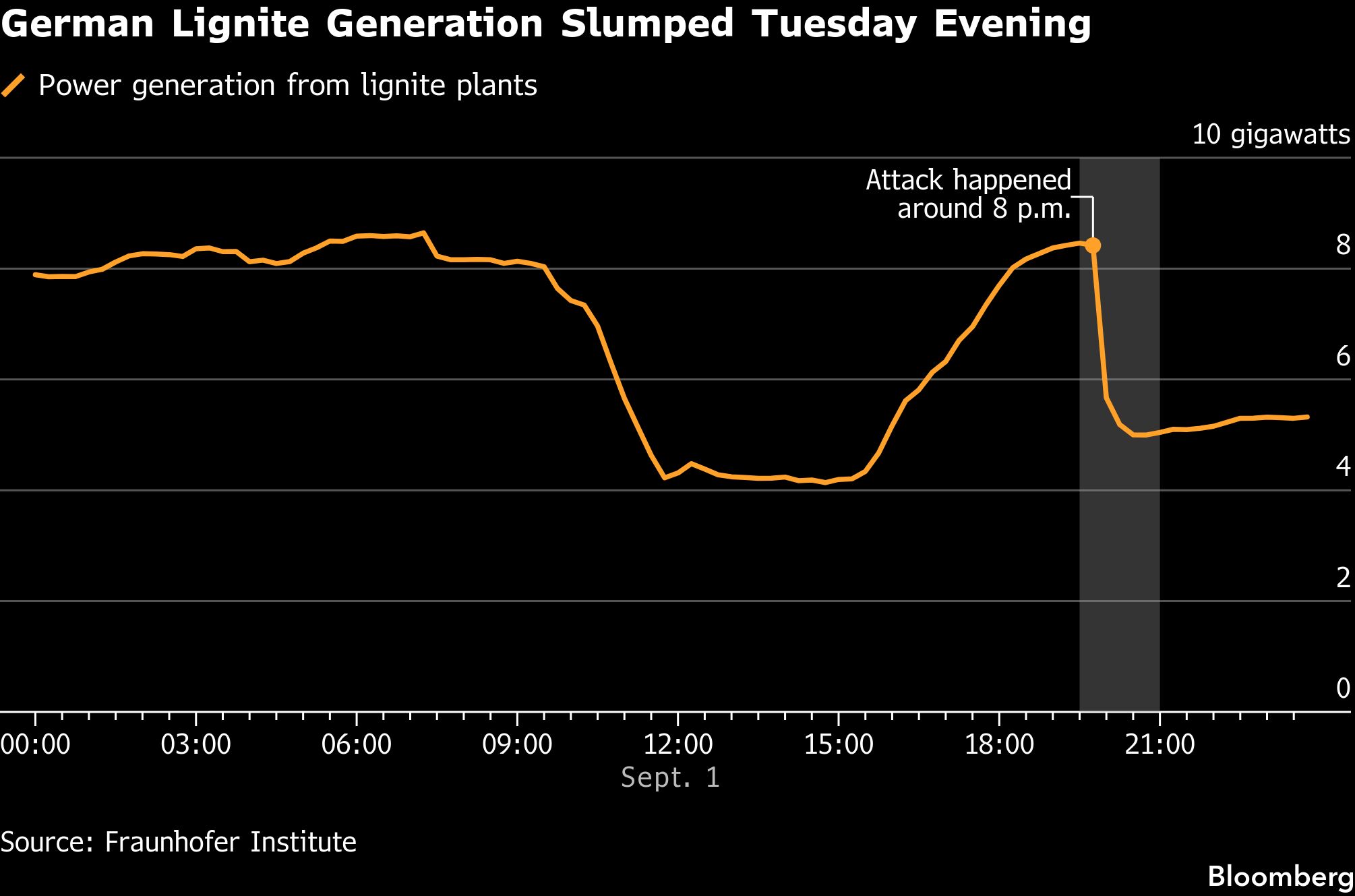
The latest incident occurred on Tuesday night in the industrial heartland around the Rhine River, causing the shutdown of five lignite power plants of RWE AG with a total capacity of 4.2 GW. Earlier in the morning, unknown perpetrators used homemade projectiles to damage several transmission lines in eastern Germany, causing a temporary blackout at LEAG’s Jänschwalde coal-fired power plant.
Germany’s energy infrastructure has been hit by several attacks this year, including a major arson attack in Berlin that caused widespread blackouts. While the attackers behind the latest incident remain unclear, Germany is on high alert following a failed drone attack at Leipzig airport that authorities blamed on Russia.
North Rhine-Westphalia interior minister Herbert Ruhr told a news conference on Wednesday that authorities were investigating whether the two incidents in the west and east were related. Investigators in the attacks in western Germany are exploring two possible motives – foreign government-directed sabotage and far-left extremism – while police in the eastern state of Brandenburg have launched an investigation that includes the alleged formation of a terror group.
Grid operator Amprion said the incident on Tuesday night occurred near the Rheinland Rommerskirchen substation. It added that the main power supply is not affected at any time and system stability is guaranteed.
RWE said the five lignite power plant units include Neurath G and F and Niederaußem H, G and K. At the time of the accident, most of the units were supplying power to the grid. RWE said it would reconnect most of its units, with a total capacity of 2.6 GW, on Wednesday, with the remaining 1.6 GW expected to be restored over the weekend.
The local police in Essen stated that their actions were based on the assumption of “intentional behavior and criminal offenses.”
Countries across Europe are racing to harden their power grids against sabotage, cyberattacks and military threats. This follows repeated Russian attacks on Ukraine’s energy infrastructure and a series of sabotage incidents across Europe.
Read more: Germany accuses Russia of attempted drone attack, expects more
The German Economy Ministry declined to comment on the details of either incident, but said “sabotage against critical infrastructure poses a serious threat.” Russia’s aggressive war, an increase in sabotage against the economy and the increasing frequency of extreme weather events are clear signs that Germany needs to be better prepared when it comes to critical infrastructure, a spokesman added.
Talha Torlak, head of short-term power trading at Vitus Commodities, said a “very serious deficit” emerged after RWE’s lignite unit was shut down between 8pm and 9pm on Tuesday. This pushed the initial imbalance price – the cost of correcting an unexpected gap between electricity supply and demand – to €5,000 per megawatt hour. He said the system stabilized quickly after 9 p.m.
“The grid handled the incident very well,” said Fraunhofer Institute researcher Leonhard Gandhi, adding that the situation only becomes critical if multiple such attacks occur simultaneously or target central grid nodes. “That is why the attempted sabotage incident that morning near Jenschwald is truly shocking news,” he said.
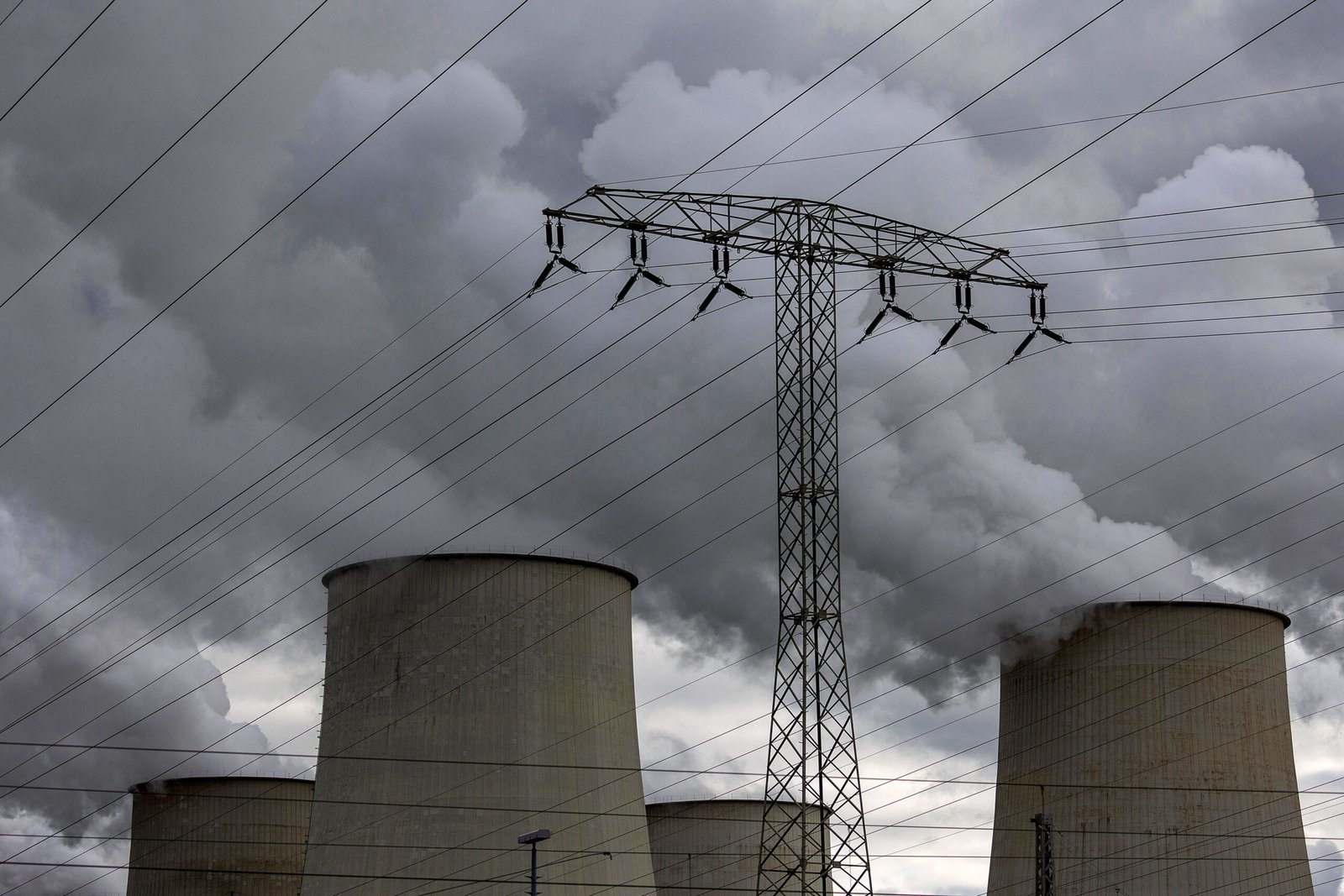
Image: Germany’s energy infrastructure has been hit by multiple attacks this year; Photo: Krisztian Bocsi/Bloomberg
Copyright 2026 Bloomberg.
The most important insurance news, in your inbox every weekday.
Get the insurance industry’s trusted newsletter